
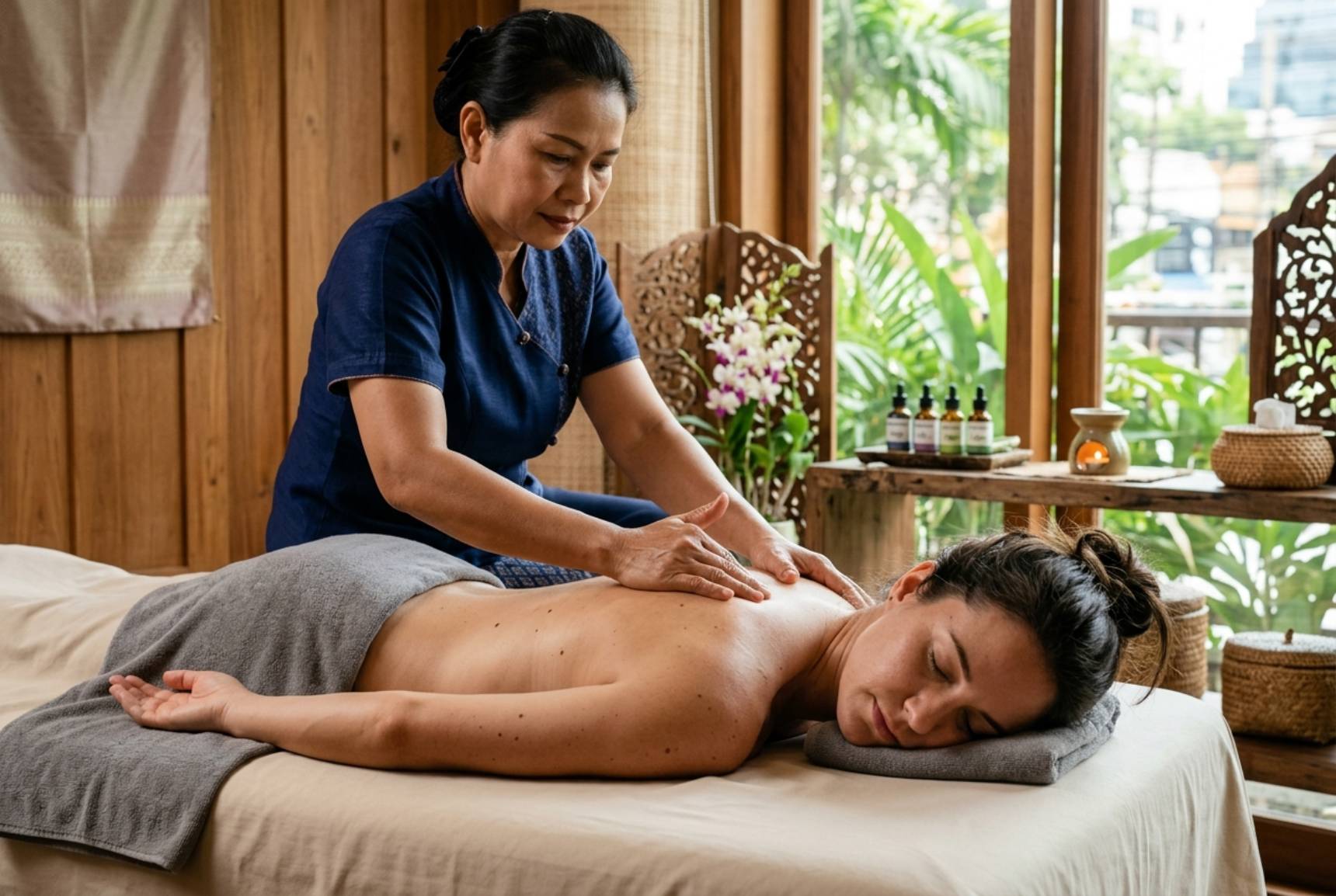
Thailand is celebrated around the world for its rich wellness traditions, and few practices capture the connection between body and mind quite like traditional Thai massage. Combining rhythmic pressure, assisted stretching, and mindful movement, this centuries-old practice offers a distinctive approach to relaxation and physical well-being.
At the heart of this tradition lies Thai acupressure—the art of applying controlled pressure to specific points of the body to help ease muscular tension and encourage relaxation. Each movement is purposeful, each point has a role, and every session offers an opportunity to slow down and reconnect with your body.
Whether you are a Bangkok resident managing a busy schedule or a visitor seeking an authentic Thai wellness experience, understanding acupressure can help you appreciate the knowledge and techniques behind this traditional practice.
What Is Thai Acupressure?
Thai acupressure is a technique commonly incorporated into traditional Thai massage, also known as Nuad Thai. Practitioners use their thumbs, palms, fingers, and sometimes their forearms to apply controlled pressure to selected areas of the body.
Traditional Thai massage also incorporates rhythmic compression, passive stretching, and movements along pathways known as Sen lines. In traditional Thai medicine, these pathways are associated with the movement of vital energy throughout the body.
Although Thai acupressure shares similarities with other pressure-based therapies, it has its own cultural roots and approach. Rather than concentrating exclusively on individual pressure points, a Thai massage session often combines work along the body with coordinated stretches and movements.
The result is a treatment that can be adapted to different comfort levels and personal preferences. Depending on the practitioner and treatment style, the experience may be gentle and soothing or more focused on areas of muscular tightness.
The Traditional Wisdom Behind Pressure Points
The philosophy of Thai massage reflects a holistic understanding of well-being. Traditional Thai medicine considers the body as an interconnected system rather than a collection of isolated parts.
Within this framework, Sen lines provide a traditional map for massage techniques. Practitioners may apply pressure along these pathways to encourage relaxation, ease feelings of stiffness, and support a sense of physical balance.
It is important to distinguish traditional explanations from modern medical evidence. Sen lines belong to the traditional Thai healing framework and should not be understood as anatomically established structures. Similarly, pressure-point massage is a complementary wellness practice rather than a substitute for medical diagnosis or treatment.
Nevertheless, the combination of attentive touch, rhythmic pressure, and gentle movement can make Thai massage a valuable part of a relaxation routine for many people.
The real art lies in understanding how much pressure to apply, where to apply it, and when to adapt a technique to the individual receiving the treatment.
How Thai Acupressure Works: One Point at a Time
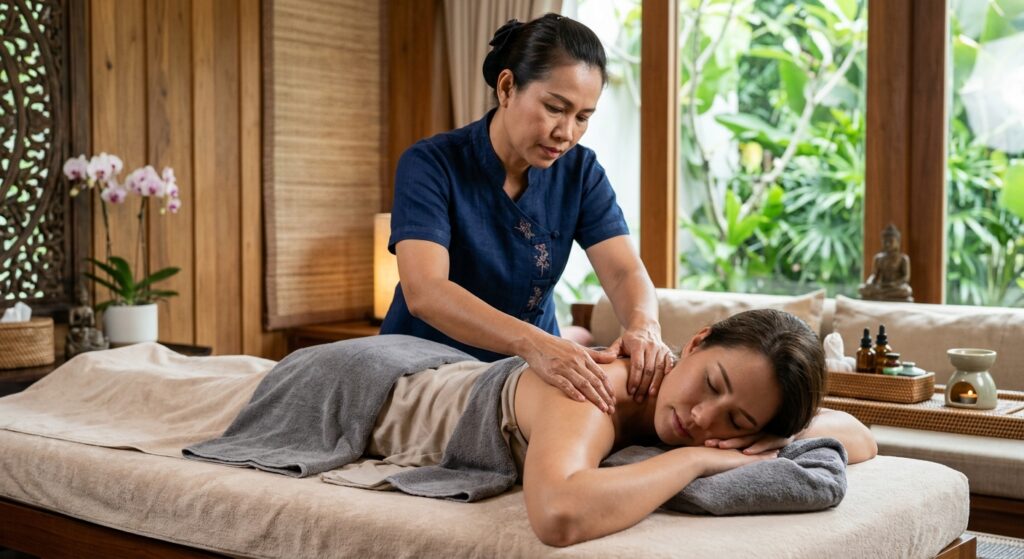
Thai acupressure is not simply about pressing harder. It involves controlled movements, careful observation, and an understanding of how different areas of the body respond to touch.
The Head and Temples: Encouraging Relaxation
Gentle pressure around the temples and selected areas of the scalp may help create a calming experience, particularly after a long day of work or travel.
Many people carry tension in their forehead, jaw, and scalp without realizing it. A soothing head massage can encourage awareness of these areas and provide a welcome opportunity to unwind.
Pressure around the temples should always remain gentle. These areas are sensitive, and deep or forceful pressure is unnecessary.
The Neck and Shoulders: Addressing Everyday Tension
Hours spent working at a computer, looking down at a phone, or sitting in traffic can contribute to stiffness around the neck and shoulders.
A qualified massage practitioner may use gentle, controlled pressure on appropriate muscles around the shoulders and upper back to help ease muscular tightness.
The goal is comfort rather than force. The neck contains delicate structures, so forceful manipulation, twisting, or direct pressure on the front and sides of the neck should be avoided.
The Back: Supporting Muscular Comfort
The back often experiences tension from prolonged sitting, repetitive movement, and physical activity.
Thai massage may incorporate palm pressure and rhythmic compression around suitable areas of the back, adjusted according to the client’s needs and tolerance.
When combined with appropriate stretching, these techniques may help reduce the sensation of muscular tightness and support comfortable movement.
Pressure should be adapted to the individual, and direct force over the spine, injured areas, or other sensitive structures should be avoided.
The Hands and Forearms: A Pause for Busy Professionals
Typing, using a mouse, carrying bags, and repetitive hand movements can leave the hands and forearms feeling tired.
A gentle hand and forearm massage can provide a relaxing break from these activities. Practitioners may use controlled palm and finger movements to address muscular tension without applying excessive pressure to joints or sensitive areas.
This approach can be especially appealing to office workers, creatives, and travelers who spend much of the day using their hands.
The Legs and Feet: Reconnecting With Grounding Comfort
Walking through Bangkok, exploring temples, shopping, or standing for extended periods can leave the legs and feet feeling fatigued.
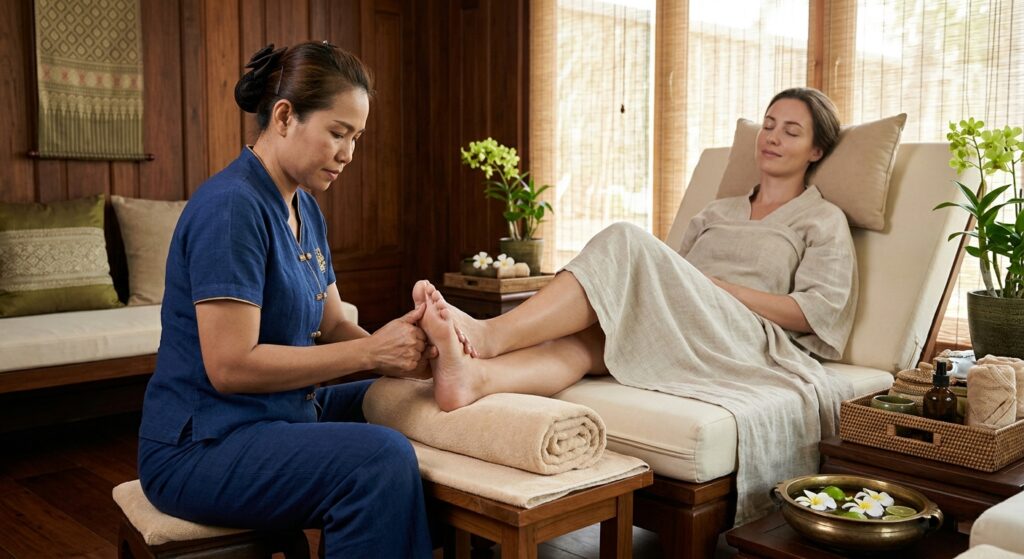
Traditional Thai massage often includes pressure and rhythmic movements applied to suitable areas of the legs and feet. These techniques may help relieve the sensation of tired muscles and create an overall feeling of relaxation.
Pressure should be adjusted carefully, especially around the knees, ankles, and other sensitive areas. Anyone with unexplained swelling, suspected blood clots, or a recent injury should seek medical advice before receiving massage.
The Potential Benefits of Thai Acupressure
The effects of massage vary from person to person, but Thai acupressure and traditional Thai massage may offer several wellness benefits when performed appropriately.
Relief From Muscular Tension
One of the main reasons people seek massage is to address the discomfort associated with tight or tired muscles.
Controlled pressure and rhythmic movements may help reduce perceived muscular tension, particularly after sedentary work or everyday physical activity.
The experience should remain comfortable and should never require enduring sharp pain.
Improved Flexibility and Ease of Movement
Traditional Thai massage combines pressure with assisted stretching. This combination may help some people feel less stiff and move more comfortably after a session.
Flexibility improvements depend on individual circumstances, the techniques used, and the frequency of treatment. Massage should complement, rather than replace, appropriate exercise and rehabilitation when needed.
Stress Management and Relaxation
A quiet treatment environment, unhurried movements, and attentive touch can create a welcome break from daily demands.
Many people find massage relaxing, and the opportunity to pause, breathe, and focus on physical sensations may contribute to a greater sense of calm.
Thai acupressure can therefore be incorporated into a broader self-care routine that includes sufficient sleep, regular movement, and effective stress-management habits.
A Greater Awareness of the Body
Massage encourages people to notice where they tend to hold tension and how their bodies respond to pressure and movement.
This awareness can help individuals recognize when they need a break, change their posture, stretch gently, or adjust their daily routines.
Although this is not a medical treatment in itself, body awareness can be a useful part of maintaining everyday well-being.
A Restorative Break From a Busy Lifestyle
For Bangkok residents and travelers, a massage session offers time away from traffic, meetings, sightseeing, and constant notifications.
The benefit is not limited to a particular pressure point. The overall experience—including a comfortable setting, appropriate technique, and time to relax—can be an important part of personal wellness.
Thai Acupressure vs. Other Pressure-Point Techniques
Acupressure is practiced in different therapeutic traditions, and the techniques can vary considerably.
Understanding these differences helps explain what makes traditional Thai massage distinctive.
Thai acupressure commonly forms part of a broader treatment that may include pressure along Sen lines, rhythmic compression, and assisted stretching.
Traditional Chinese acupressure is generally associated with pressure points used within the framework of traditional Chinese medicine, including concepts related to meridians and acupuncture points.
Shiatsu is a Japanese bodywork practice that uses sustained pressure, often applied with the fingers and palms, alongside other techniques depending on the practitioner.
Western relaxation massage generally emphasizes soft-tissue manipulation, using movements such as gliding strokes, kneading, and gentle compression to encourage relaxation.
None of these approaches is identical to the others. The most appropriate option depends on your comfort, preferences, health circumstances, and the practitioner’s training.
If you enjoy movement-based treatments and a combination of pressure and stretching, traditional Thai massage may be particularly appealing.
What to Expect During a Thai Acupressure Session in Bangkok
For first-time visitors, knowing what happens during a session can make the experience more comfortable.
Step 1: A Conversation About Your Needs
A professional session should begin with a brief consultation. The practitioner may ask about your preferred pressure, areas of tension, previous massage experience, and any relevant health concerns.
Use this opportunity to explain whether you prefer a gentle, moderate, or firmer approach.
Step 2: Preparing for the Treatment
Traditional Thai massage is often performed on a comfortable floor mat while the client wears loose, flexible clothing. Some spas offer adapted treatments on massage beds or incorporate oil, depending on the service.
Your therapist should explain the treatment format and help you feel comfortable before beginning.
Step 3: Gradual Pressure and Rhythmic Movements
The practitioner typically begins with gentle contact and gradually adjusts the pressure according to your response.
Depending on the treatment, the session may include pressure applied with the palms or thumbs, rhythmic compressions, and gentle assisted stretches.
Communication is essential. If a movement feels uncomfortable, causes tingling or numbness, or produces sharp pain, ask the therapist to stop or modify the technique.
Step 4: A Personalized Approach
A quality massage should not follow a rigid pressure routine regardless of the person receiving it.
Someone who spends long hours at a desk may prefer attention to the shoulders and upper back, while a traveler may appreciate a gentle treatment focused on tired legs and feet.
These preferences should guide the session without assuming that every area of tension requires deep pressure.
Step 5: Taking Time to Recover
After a massage, take a moment to sit up slowly, drink water according to your needs, and notice how you feel.
Some people feel relaxed immediately, while others experience temporary tenderness after firmer bodywork. Persistent pain, significant bruising, numbness, or other unusual symptoms should not be dismissed as a normal part of treatment.
Can You Practice Thai Acupressure at Home?
Some gentle self-massage techniques can be incorporated into an everyday relaxation routine. However, self-massage should not attempt to reproduce advanced therapeutic techniques without appropriate training.
Here are a few simple ways to explore gentle pressure safely.
Relax your hands. Use the thumb of one hand to make gentle circular movements across the fleshy area of the opposite palm. Avoid pressing hard on joints or any area that feels painful.
Release shoulder tension. Let your shoulders drop away from your ears, breathe slowly, and gently move them in small circles. If comfortable, use your fingertips to massage the muscles at the top of your shoulders without pressing on the neck.
Give your feet a break. While seated, use your hands to gently rub the soles of your feet. Keep the pressure comfortable and avoid areas that are injured, swollen, bruised, or unusually sensitive.
Combine pressure with breathing. Breathe naturally and slowly while performing gentle self-massage. The aim is to create a relaxing pause rather than to achieve a particular physical sensation.
Avoid pressing directly on the front or sides of the neck, the eyeballs, injured areas, varicose veins, or any location where pressure produces pain, tingling, or numbness. Do not attempt to manipulate the spine or force joints into stretches.
If you have a medical condition, are recovering from surgery, take anticoagulant medication, have osteoporosis, or are pregnant, seek appropriate professional guidance before trying pressure-based techniques. Pregnancy massage should be performed by a practitioner trained in pregnancy-specific care.
Choosing a Qualified Thai Massage Practitioner
The effectiveness and comfort of a massage depend significantly on the practitioner’s skill, communication, and ability to adapt the treatment.
When choosing a spa in Bangkok, consider the following factors:
- Training and qualifications: Look for practitioners with relevant training in traditional Thai massage and appropriate professional credentials.
- Initial consultation: A practitioner should ask about your needs, preferences, and health concerns before treatment.
- Clear communication: You should feel comfortable requesting lighter pressure, changing positions, or stopping the session.
- Cleanliness and comfort: The treatment area, linens, clothing, and equipment should be clean and well maintained.
- Individualized treatment: Techniques should be adapted to your comfort level rather than applied with unnecessary force.
- Transparent service information: The spa should explain what the treatment includes, how long it lasts, and what level of pressure you can expect.
Avoid any practitioner who promises to cure medical conditions through pressure points or insists that pain is necessary for the treatment to work.
Thai acupressure is best approached as a complementary wellness practice, not as a replacement for appropriate medical care.
Is Thai Acupressure Suitable for Everyone?
Many healthy adults can enjoy appropriately adapted massage, but some circumstances require additional care.
Consult a healthcare professional before receiving massage if you have a significant cardiovascular condition, a history of blood clots, a bleeding disorder, severe osteoporosis, a recent fracture, recent surgery, or another condition that could make pressure or stretching unsafe.
Massage should generally be avoided over open wounds, active skin infections, acute injuries, and areas with unexplained swelling. People with reduced sensation may need special precautions because they may not recognize excessive pressure.
If you are pregnant, choose a practitioner trained in pregnancy massage and discuss any relevant medical advice before booking.
Most importantly, a massage should never be used to delay medical assessment for severe, persistent, or unexplained pain.
Bringing Thai Acupressure Into Your Wellness Routine
Well-being is rarely the result of a single treatment. It develops through consistent habits that support rest, movement, and recovery.
Thai acupressure can be one part of a balanced wellness routine, alongside regular physical activity, comfortable working positions, adequate sleep, and time away from screens.
For people who spend long hours sitting, short movement breaks and gentle stretching may help prevent stiffness from building up throughout the day. A professional massage can complement these habits by providing a dedicated period of relaxation and attention to muscular comfort.
You do not need to wait until you feel exhausted to make time for yourself. A planned wellness session can simply be an opportunity to slow down, reconnect with your body, and enjoy a moment of calm.
The most beneficial approach is one that respects your body’s limits and fits naturally into your lifestyle.
Experience the Art of Thai Acupressure in Bangkok
Thai acupressure represents an enduring part of Thailand’s massage heritage, bringing together mindful touch, rhythmic pressure, and movement in a distinctive wellness experience.
From the shoulders and back to the hands, legs, and feet, each area can receive thoughtful attention according to individual needs. When performed by a suitably trained practitioner, traditional Thai massage may help ease perceived muscular tension, support comfortable movement, and encourage relaxation.
Whether you are exploring Thai wellness for the first time or looking to deepen your appreciation of traditional massage, the key is to choose a reputable spa, communicate openly, and prioritize comfort over intensity.
Discover the art of traditional Thai massage in Bangkok and experience the value of taking time for your well-being—one point at a time.
Explore Bangkok Spa’s Traditional Thai Massage page to learn more about this traditional approach to bodywork.