
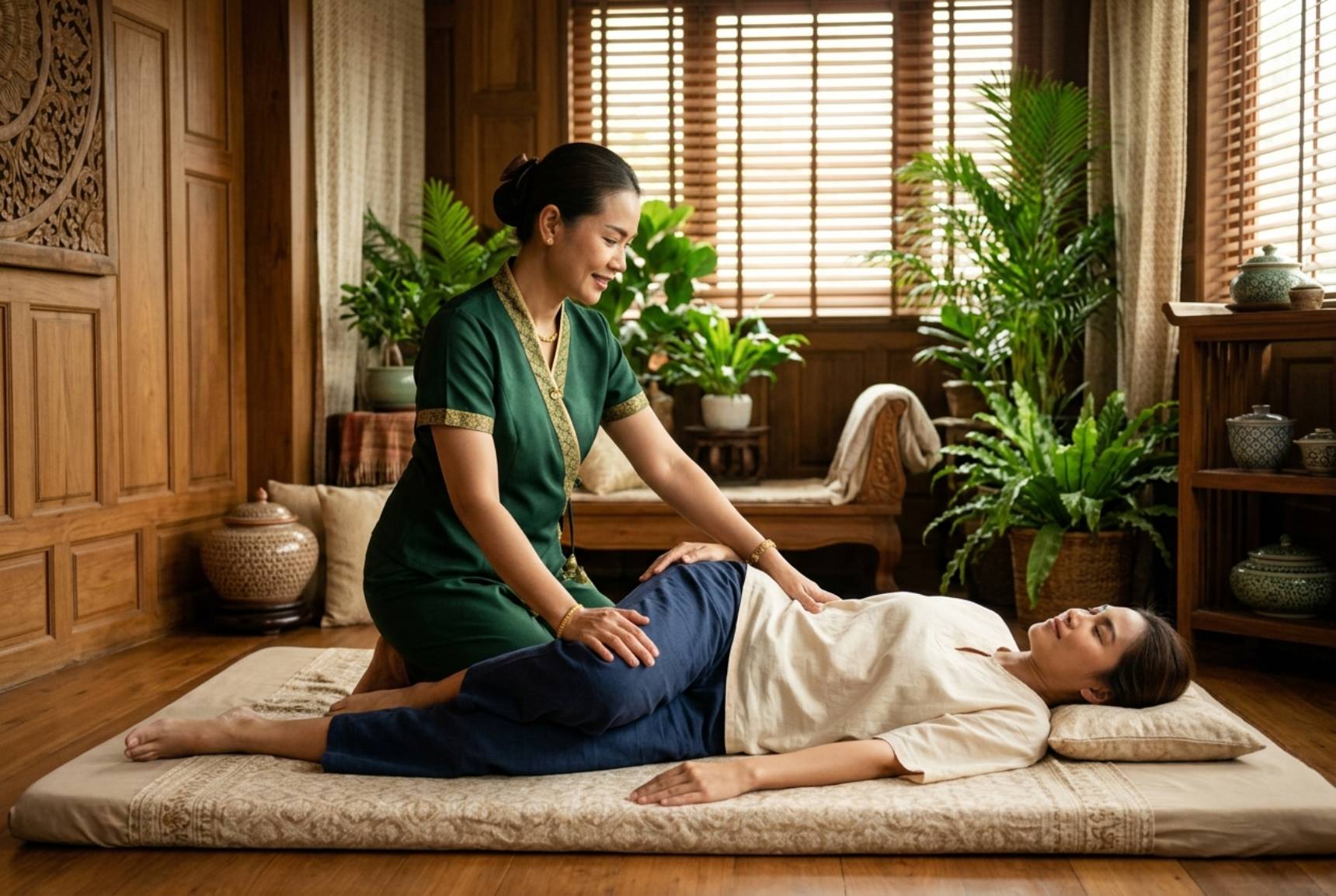
Thai massage is much more than a relaxing spa treatment. It is a traditional healing practice deeply connected to Thailand’s cultural heritage, holistic wellness philosophy, and centuries-old approach to caring for the body and mind. Known for its combination of rhythmic pressure, assisted stretching, and mindful movement, Thai massage continues to attract people seeking natural ways to support relaxation, flexibility, and physical well-being.
Behind every effective Thai massage is a skilled therapist who understands the techniques, principles, and responsibilities involved in the practice. Becoming a Thai massage therapist is therefore not simply about learning a series of movements. It is about developing practical expertise, understanding the traditions behind the treatment, and learning how to provide thoughtful, professional care.
For those interested in a career in wellness, Thai massage offers an opportunity to combine hands-on skills, cultural appreciation, and meaningful human connection.
Understanding the Heritage of Thai Massage
Traditional Thai massage, commonly known as Nuad Thai, is an important part of Thailand’s cultural heritage. Its development reflects a long history of traditional healing knowledge, bodywork techniques, and wellness practices passed down through generations.
Unlike many massage styles that focus primarily on oil-based techniques, traditional Thai massage is commonly performed on a mat or firm massage surface, with the recipient wearing comfortable clothing. Depending on the style and the recipient’s needs, the therapist may use rhythmic compression, acupressure-inspired techniques, assisted stretching, and guided body movements.
Thai massage is also associated with traditional concepts of energy pathways, often referred to as Sen lines. These concepts form part of the traditional framework used to understand the practice and guide certain massage techniques.
In 2019, Nuad Thai was inscribed on UNESCO’s Representative List of the Intangible Cultural Heritage of Humanity. This recognition highlighted the cultural significance of the practice and the importance of preserving the knowledge and skills associated with it.
For aspiring therapists, learning about this heritage provides valuable context. It encourages respect for the traditions behind the techniques and helps ensure that Thai massage is approached as a cultural practice as well as a professional wellness service.
Step 1: Build a Strong Foundation in Thai Massage
The first step toward becoming a Thai massage therapist is to learn the fundamentals of the practice. A structured training programme can help beginners develop the knowledge and practical skills needed to perform treatments safely and confidently.
Training typically introduces students to essential massage techniques, body positioning, pressure control, assisted stretching, and the sequence of a traditional Thai massage session.
Students also learn how different techniques may be adapted to accommodate individual comfort levels, flexibility, and physical needs. Understanding when to apply pressure, when to modify a movement, and when to avoid a particular technique is just as important as mastering the movements themselves.
A strong foundation allows future therapists to develop their own professional style while maintaining respect for traditional methods.
Step 2: Choose a Reputable Training Programme
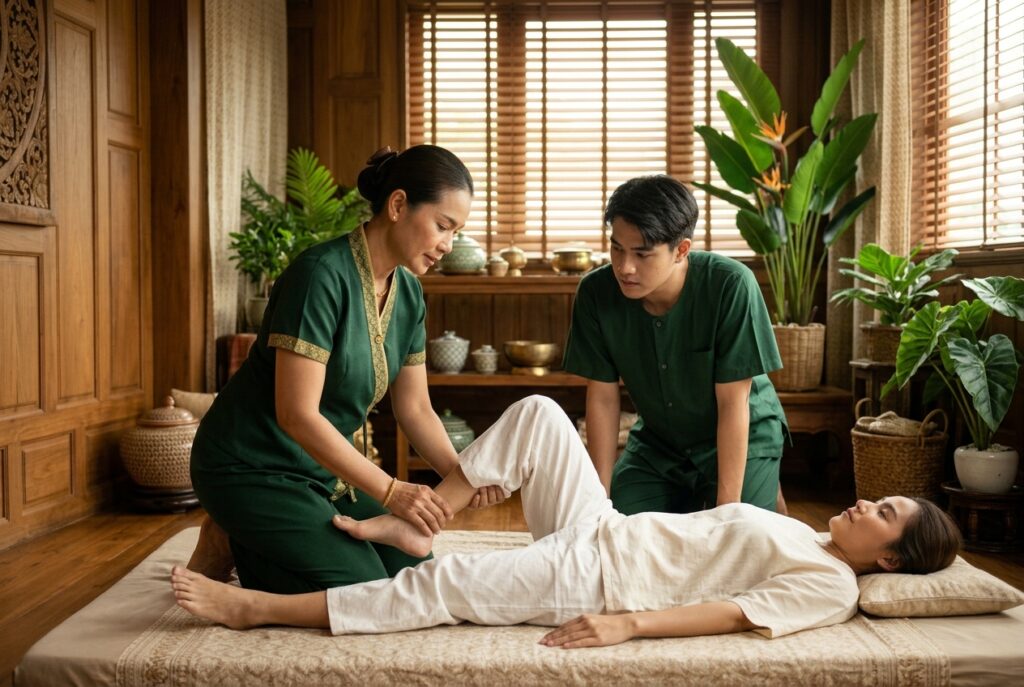
Professional training is an important investment for anyone considering a career in Thai massage. Aspiring therapists should look for programmes that combine theoretical instruction with supervised, hands-on practice.
A comprehensive course may cover:
- Traditional Thai massage techniques: Learning rhythmic compression, stretching sequences, body positioning, and appropriate pressure application.
- Basic anatomy and physiology: Understanding muscles, joints, movement, and the body’s physical limitations.
- Client consultation: Learning how to ask about comfort, preferences, relevant health concerns, and treatment expectations.
- Hygiene and professional standards: Maintaining a clean treatment environment and following appropriate workplace practices.
- Contraindications and safety: Recognising situations in which techniques may need to be modified, postponed, or avoided.
- Professional ethics: Respecting privacy, maintaining appropriate boundaries, and communicating clearly with clients.
When selecting a course, check the instructor’s experience, the amount of practical training provided, the qualification awarded, and whether the programme meets the requirements relevant to your intended workplace.
Requirements may differ depending on the training provider, employer, location, and type of practice. Completing a course should not automatically be assumed to provide every licence, registration, or professional qualification required.
Step 3: Develop the Essential Skills of a Thai Massage Therapist
Successful Thai massage therapists need more than technical knowledge. The profession requires a combination of physical coordination, communication, observation, patience, and professional judgement.
Technical Precision and Body Mechanics
Therapists must learn to apply pressure in a controlled manner while maintaining comfortable, sustainable body positioning. Proper body mechanics help them work effectively without placing unnecessary strain on their own backs, wrists, shoulders, and joints.
Learning to use body weight appropriately, rather than relying exclusively on muscular strength, is particularly important when performing traditional Thai massage techniques.
Listening and Communication
Every client has different preferences and comfort levels. A professional therapist should ask clear questions before treatment, explain what to expect, and encourage clients to communicate if a movement or pressure level feels uncomfortable.
Good communication builds trust and supports a more personalised experience.
Observation and Adaptability
A therapist must be attentive to a client’s movements, feedback, and visible signs of discomfort. Techniques should be adjusted to suit the individual rather than applied in exactly the same way to everyone.
Flexibility, awareness, and sound judgement help create a treatment that is both comfortable and appropriate.
Patience and Professionalism
Learning Thai massage takes time. Developing consistent pressure, smooth transitions, and accurate positioning requires regular practice and constructive feedback.
Professionalism also means respecting client confidentiality, maintaining boundaries, arriving prepared, and treating every client with consideration.
Step 4: Understand Client Safety and Individual Needs
Client safety is one of the most important responsibilities in massage therapy. Before beginning a session, therapists should conduct an appropriate consultation and identify circumstances that may affect the suitability of the treatment.
Certain health conditions, recent injuries or surgeries, acute inflammation, and other medical concerns may require modifications, postponement, or advice from a qualified healthcare professional. Deep pressure and assisted stretching should never be forced or performed beyond a client’s comfortable range of movement.
Therapists should also understand the limits of their professional role. Thai massage may support relaxation and general well-being, but it should not be presented as a guaranteed cure for medical conditions or as a replacement for appropriate medical care.
Knowing when to adapt a technique, decline an unsuitable treatment, or recommend medical assessment demonstrates professional responsibility rather than a lack of skill.
Step 5: Gain Practical Experience
Practical experience helps transform classroom knowledge into professional ability. After completing foundational training, aspiring therapists can continue developing their skills through supervised practice, further workshops, and appropriate entry-level opportunities.
Working under the guidance of experienced practitioners can help new therapists improve their technique, session flow, pressure control, and understanding of different client needs.
Feedback is particularly valuable during the early stages of a career. Therapists can use it to identify areas for improvement, correct positioning, refine transitions, and build confidence.
Consistent practice also helps develop the physical endurance required for the profession. Learning how to manage workload, maintain good posture, take appropriate breaks, and protect personal well-being is essential for a sustainable career.
Step 6: Explore Career Opportunities in the Wellness Industry
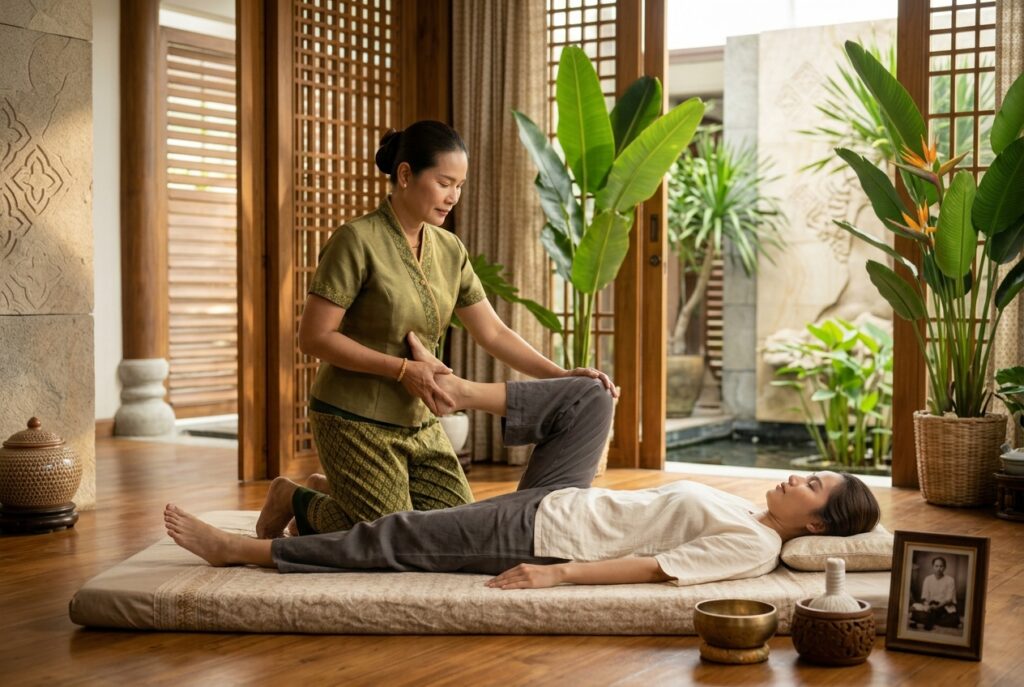
Thai massage training can open several professional pathways, depending on a therapist’s qualifications, experience, and local requirements.
Working in a Spa or Wellness Centre
Spas and wellness centres offer opportunities to work as part of an established team. These environments allow therapists to gain experience with professional treatment standards, client consultations, scheduling, and service quality.
Working alongside experienced colleagues can also support continued learning and professional development.
Joining a Hotel or Resort Spa
Hotels and resorts may offer opportunities to provide traditional Thai massage to domestic and international guests. These positions often require strong communication skills, consistent service standards, and the ability to work with clients from diverse cultural backgrounds.
Building a Private Practice
Experienced therapists may consider offering independent services where permitted by local regulations. This path requires not only massage expertise but also business planning, client management, marketing, and a clear understanding of applicable legal and insurance requirements.
Continuing Professional Education
The wellness industry includes many complementary massage styles and specialised treatments. Therapists may choose to pursue additional training in areas such as foot massage, oil massage, stretching-based bodywork, or spa service management.
Further education should build on a sound foundation and remain within the therapist’s training and professional scope.
Step 7: Preserve the Tradition While Embracing Modern Wellness
As Thai massage reaches more people around the world, professional therapists have an important role in preserving its cultural identity while responding to contemporary expectations for safety, comfort, and service quality.
This means learning the origins and principles of traditional techniques, respecting the knowledge passed down by experienced practitioners, and avoiding exaggerated claims about health benefits.
It also means recognising that modern clients may have different expectations, physical abilities, and cultural backgrounds. A thoughtful therapist can adapt communication and appropriate aspects of a treatment without losing sight of the practice’s traditional foundations.
Technology, professional training, and international wellness standards may continue to influence the industry, but the human qualities at the heart of Thai massage remain essential: attentiveness, respect, patience, and care.
The Rewards and Challenges of Becoming a Thai Massage Therapist
A career in Thai massage can be rewarding for people who enjoy practical work, personal interaction, and the wellness environment. Therapists may find satisfaction in helping clients relax, feel more comfortable, and reconnect with their bodies through a carefully delivered treatment.
The profession also offers opportunities to learn continuously, explore Thai culture, and work in different settings within the spa and hospitality industries.
However, it comes with responsibilities and challenges. Massage therapy can be physically demanding, and therapists must manage their own health while maintaining consistent service quality. Building technical confidence takes time, and working with clients requires emotional awareness, patience, and professional boundaries.
Understanding both the rewards and the demands of the profession helps aspiring therapists make informed decisions about their training and long-term career goals.
Conclusion: A Journey of Skill, Respect, and Well-Being
Becoming a Thai massage therapist is a journey that brings together practical skill, cultural understanding, and a commitment to caring for others. From learning traditional techniques and completing appropriate training to gaining hands-on experience and maintaining high professional standards, every stage contributes to a therapist’s development.
The enduring value of Thai massage lies not only in its distinctive movements but also in the knowledge, discipline, and human connection behind each session. By respecting its heritage while prioritising client safety and continuous learning, therapists can help preserve this important Thai tradition for future generations.
For anyone considering a career in wellness, Thai massage offers a meaningful way to explore a profession where traditional knowledge and modern professional practice meet.
Discover the world of Thai massage and wellness in Bangkok, where Thailand’s rich massage heritage continues to inspire spa experiences for local residents and international visitors alike.