
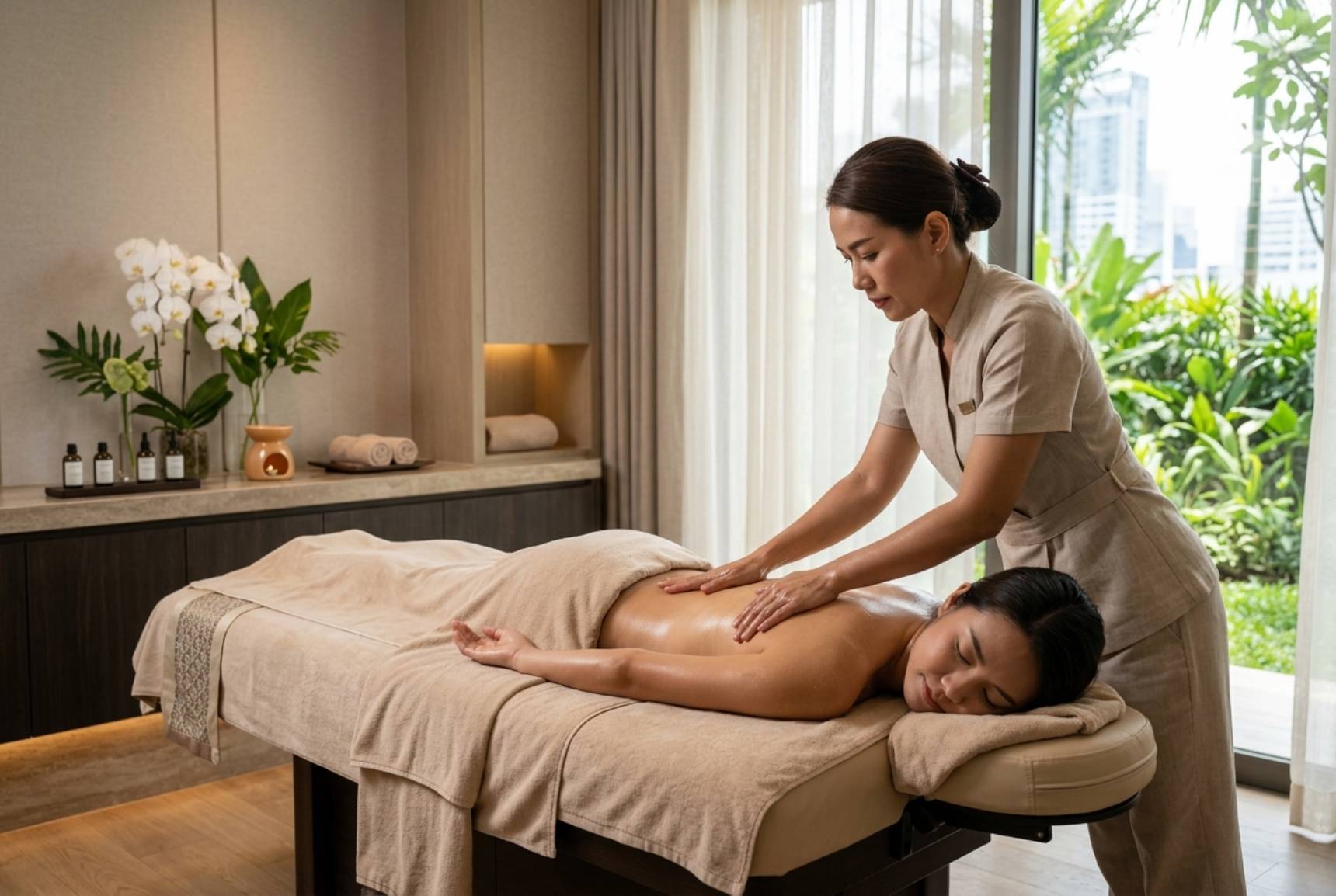
A spa experience is about more than massage techniques, beautiful surroundings, or a few hours away from a busy schedule. The most memorable treatments engage the senses and create an atmosphere where the body can slow down and the mind can step away from everyday distractions. Aromatherapy plays an important role in creating this kind of experience.
From the moment you enter a treatment room, fragrance can influence the atmosphere around you. Soft floral notes, refreshing citrus aromas, warm herbal scents, or woody fragrances can become part of the ritual, complementing massage and other wellness treatments.
At Bangkok Spa, aromatherapy can be experienced as part of a relaxing wellness journey, particularly through treatments such as aroma oil massage. By combining carefully selected aromas with soothing touch, warmth, and a peaceful environment, aromatherapy adds another sensory dimension to the spa experience.
What Is Aromatherapy?
Aromatherapy is a wellness practice that uses aromatic plant extracts, commonly known as essential oils, as part of a sensory and relaxation experience. Essential oils can be incorporated into massage oils, diffused in a treatment room, or used in other spa rituals.
The experience is closely connected to the sense of smell. Fragrance can immediately change the atmosphere of a room and become strongly associated with feelings, places, and memories. In a spa environment, this makes aroma an especially effective way to create a sense of calm and separation from the outside world.
Aromatherapy does not have to dominate a treatment. In many cases, a subtle fragrance is enough to complement the massage and create a more complete sensory experience.
Why Scent Matters in a Spa Environment
Our sense of smell is closely connected to the brain areas involved in memory and emotion. Because of this, a familiar or pleasant fragrance can influence how we perceive an environment.
In a spa, this can help establish a peaceful mood before the treatment even begins. The scent of lavender, for example, may create a soft and calming atmosphere, while citrus aromas can provide a fresher and brighter sensory character.
The objective is not simply to make a room smell pleasant. The right fragrance becomes part of the overall experience, working alongside lighting, music, temperature, touch, and the pace of the treatment.
Aromatherapy and Massage: A Natural Combination
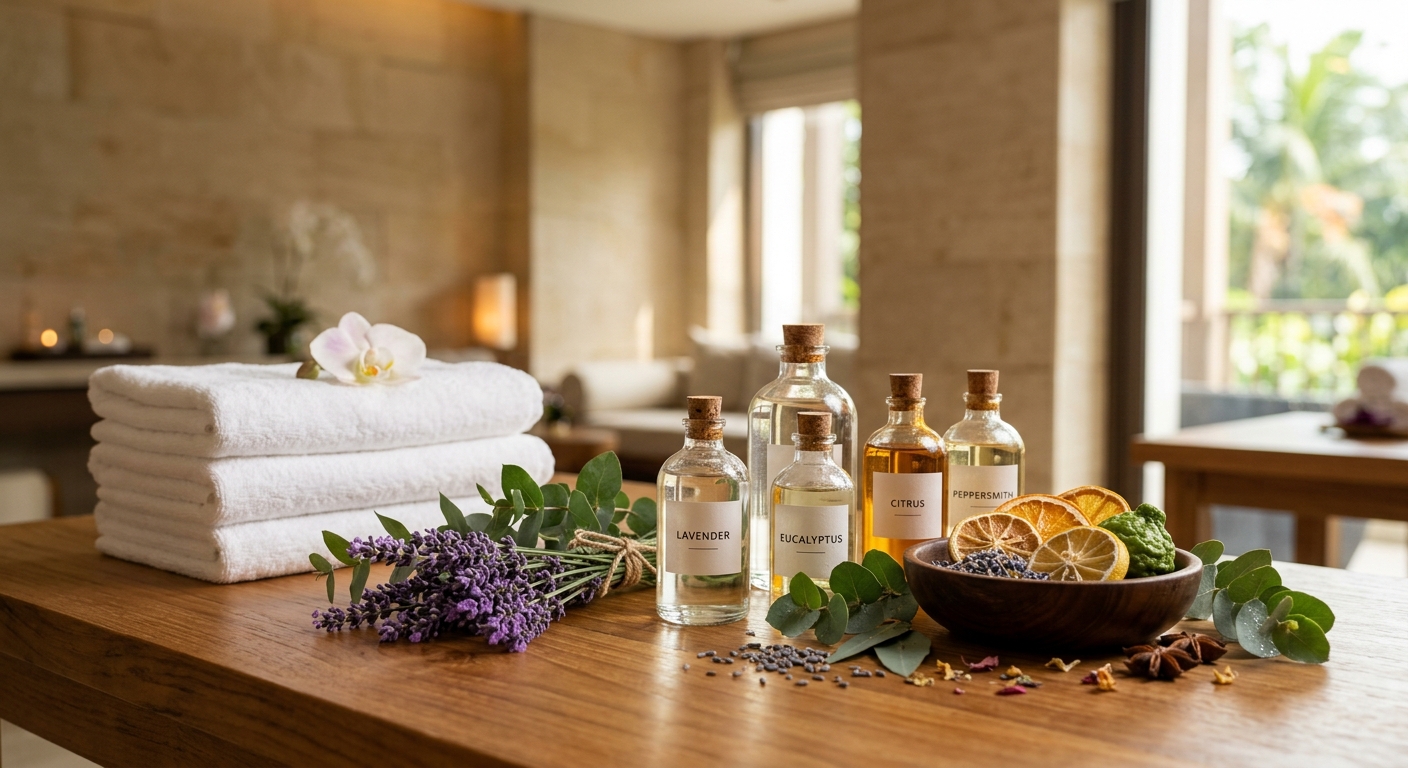
Massage already provides a deeply sensory experience through touch and movement. Adding aromatic oils introduces another layer to the treatment.
During an aroma oil massage, warm oil allows the therapist to perform smooth, flowing movements across the body. The fragrance of the oil is experienced at the same time, creating a combination of touch, warmth, texture, and scent.
This flowing approach can make the treatment feel continuous rather than like a series of separate techniques. The aroma becomes part of the rhythm of the massage, helping create an environment dedicated to relaxation.
At Bangkok Spa, aroma oil massage is presented as a gentle treatment using essential oils, with the experience designed around relaxation and overall well-being.
Different Aromas Create Different Atmospheres
One of the most interesting aspects of aromatherapy is the variety of scents available. Each fragrance has its own character, allowing the atmosphere of a treatment to be adapted to personal preferences.
Lavender
Lavender has a soft, floral aroma that is often associated with calm and relaxation. It can be particularly appealing when the goal is to create a peaceful and gentle spa atmosphere.
Orange and Lemon
Citrus aromas such as orange and lemon have a bright, fresh character. They can bring an uplifting quality to a treatment and provide a clean, refreshing sensory experience.
Bergamot
Bergamot combines citrus and floral characteristics, creating a sophisticated fragrance that works well in a relaxing environment.
Ginger
Ginger has a warm, distinctive aroma with a slightly spicy character. It can create a comforting and invigorating sensory impression.
Chamomile
Chamomile offers a gentle floral fragrance that fits naturally into treatments designed around rest and tranquility.
Cedarwood
Cedarwood provides a deeper, woody aroma. Its warm character can add a sense of richness and sophistication to a spa environment.
These are only some examples of aromatic ingredients commonly encountered in spa treatments. The best choice ultimately depends on individual preference and the type of atmosphere a guest wants to experience.
Aromatherapy Makes the Spa Experience More Personal
No two spa experiences need to be exactly the same. Personal preference is an important part of wellness, and fragrance is one of the simplest ways to make a treatment feel more individual.
Some guests may prefer soft floral scents. Others may enjoy fresh citrus aromas or deeper herbal and woody fragrances. Giving guests the opportunity to communicate their preferences allows the treatment environment to feel more comfortable and personal.
Professional therapists should also be aware of sensitivities and allergies when essential oils are used. Concentrated essential oils need to be handled appropriately, particularly when they are applied directly to the skin.
Aromatherapy Beyond Aroma Oil Massage
Aromatherapy is not limited to one particular type of massage. Its sensory qualities can complement many different elements of a spa visit.
- Massage treatments: Aromatic oils can complement flowing massage techniques and create a more immersive experience.
- Facial treatments: Gentle fragrances can contribute to a calming atmosphere while guests enjoy their skincare ritual.
- Body treatments: Aromatic products can add another sensory element to scrubs, wraps, and nourishing treatments.
- Relaxation areas: Subtle ambient fragrance can help create a peaceful transition before or after a treatment.
- Wellness rituals: Aromas can become part of a broader sequence involving massage, warmth, music, and quiet time.
This flexibility is one reason aromatherapy has become such a recognizable element of contemporary spa culture. It can be adapted to different treatments without changing the fundamental purpose of creating a more relaxing and enjoyable environment.
The Importance of the Complete Sensory Experience
A successful spa treatment is rarely defined by one element alone. Instead, several small details work together.
The room may be softly illuminated. The temperature may feel comfortable. Quiet music may play in the background. The therapist’s movements may follow a slow and consistent rhythm. Warm oil may create a smooth sensation on the skin. Then there is the fragrance surrounding you.
Each element contributes to the atmosphere.
Aromatherapy is particularly interesting because it connects the physical environment with the sense of smell. A fragrance can become the subtle thread that ties the different parts of a treatment together.
A Moment to Slow Down in Bangkok
Bangkok is energetic, vibrant, and constantly moving. Between traffic, work, shopping, sightseeing, meetings, and everyday responsibilities, it can be difficult to find a genuine moment of stillness.
A spa treatment creates an opportunity to change that rhythm.
When you enter a quiet treatment room, the experience becomes intentionally slower. There is time to breathe, close your eyes, listen to the surroundings, and simply focus on the present moment.
Aromatherapy can strengthen this transition. Instead of carrying the atmosphere of the city into the treatment room, a carefully selected fragrance helps establish a completely different sensory environment.
Why Aromatherapy Can Make a Treatment More Memorable
People often remember experiences through their senses. A particular fragrance can bring back a memory of a holiday, a favorite place, or a peaceful afternoon.
This makes aroma a powerful part of the spa experience. A treatment may be remembered not only for the massage itself, but also for the fragrance in the room, the warmth of the oil, the quiet surroundings, and the feeling of having time to relax.
Over time, a particular aroma may even become associated with personal relaxation. Smelling it again can remind you of the calm environment in which you first experienced it.
Aromatherapy as Part of Modern Wellness
Modern spa culture increasingly focuses on the complete guest experience rather than a single treatment technique. Comfort, atmosphere, personalization, and sensory details all play a role.
Aromatherapy fits naturally into this approach because it can complement many forms of wellness without becoming the sole focus. When thoughtfully incorporated, fragrance supports the atmosphere while massage and other treatments provide the physical experience.
It is also important to keep expectations realistic. Aromatherapy is best viewed as a complementary wellness practice rather than a medical treatment. Individual responses to essential oils can vary, and claims about specific therapeutic effects should not replace professional medical advice.
Choosing the Right Aroma for Your Spa Visit
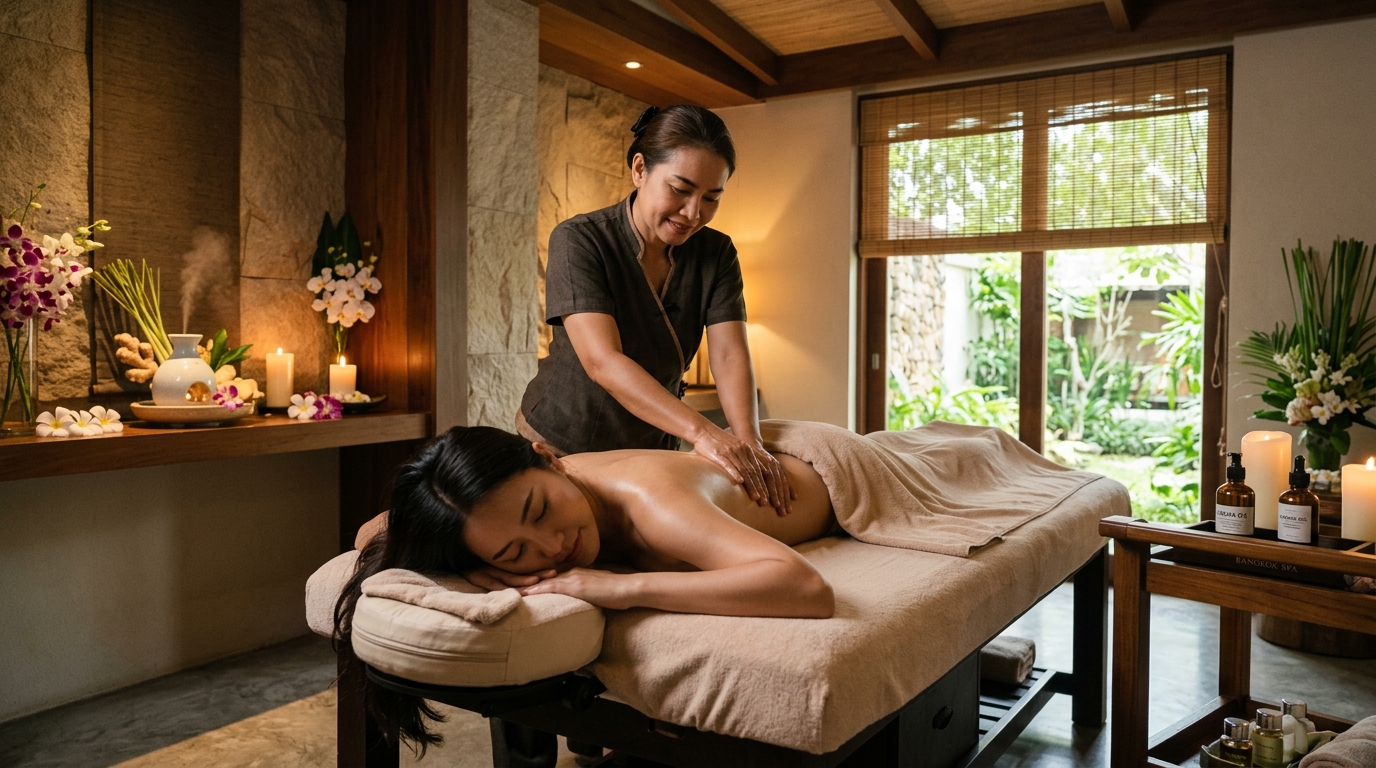
When preparing for an aromatherapy treatment, consider what kind of atmosphere you would like to create.
If you want something soft and calming, a floral or gentle herbal fragrance may appeal to you. If you prefer something fresh and energetic, citrus aromas may be more suitable. For a warmer and richer experience, woody or spicy notes can create a different character.
There is no single fragrance that is right for everyone. The most important consideration is whether the aroma feels pleasant and comfortable to you.
The Luxury of Simply Being Present
True spa luxury is not always about elaborate surroundings. Sometimes it is simply the opportunity to stop, breathe, and allow yourself to be present.
Aromatherapy enhances this feeling by engaging one of our most powerful senses. Combined with skilled massage, warm oils, peaceful surroundings, and thoughtful hospitality, fragrance can transform a treatment from a simple appointment into a complete sensory ritual.
Whether you choose an aroma oil massage or another wellness treatment, the right atmosphere can make the experience feel more personal, immersive, and memorable.
Experience the Difference at Bangkok Spa
Aromatherapy brings together fragrance, touch, warmth, and atmosphere to create a more complete approach to relaxation. In a city as dynamic as Bangkok, this sensory escape can provide a welcome opportunity to slow down and reconnect with yourself.
At Bangkok Spa, aromatherapy is part of the wider spa experience, with aroma oil massage offering guests the opportunity to enjoy flowing massage techniques together with the sensory pleasure of carefully selected aromatic oils.
Sometimes, the smallest details make the biggest difference: the warmth of the oil, the rhythm of the therapist’s hands, the quiet of the treatment room, and the gentle fragrance in the air.
Take a moment to breathe, slow down, and let aromatherapy become part of your next spa experience in Bangkok.