
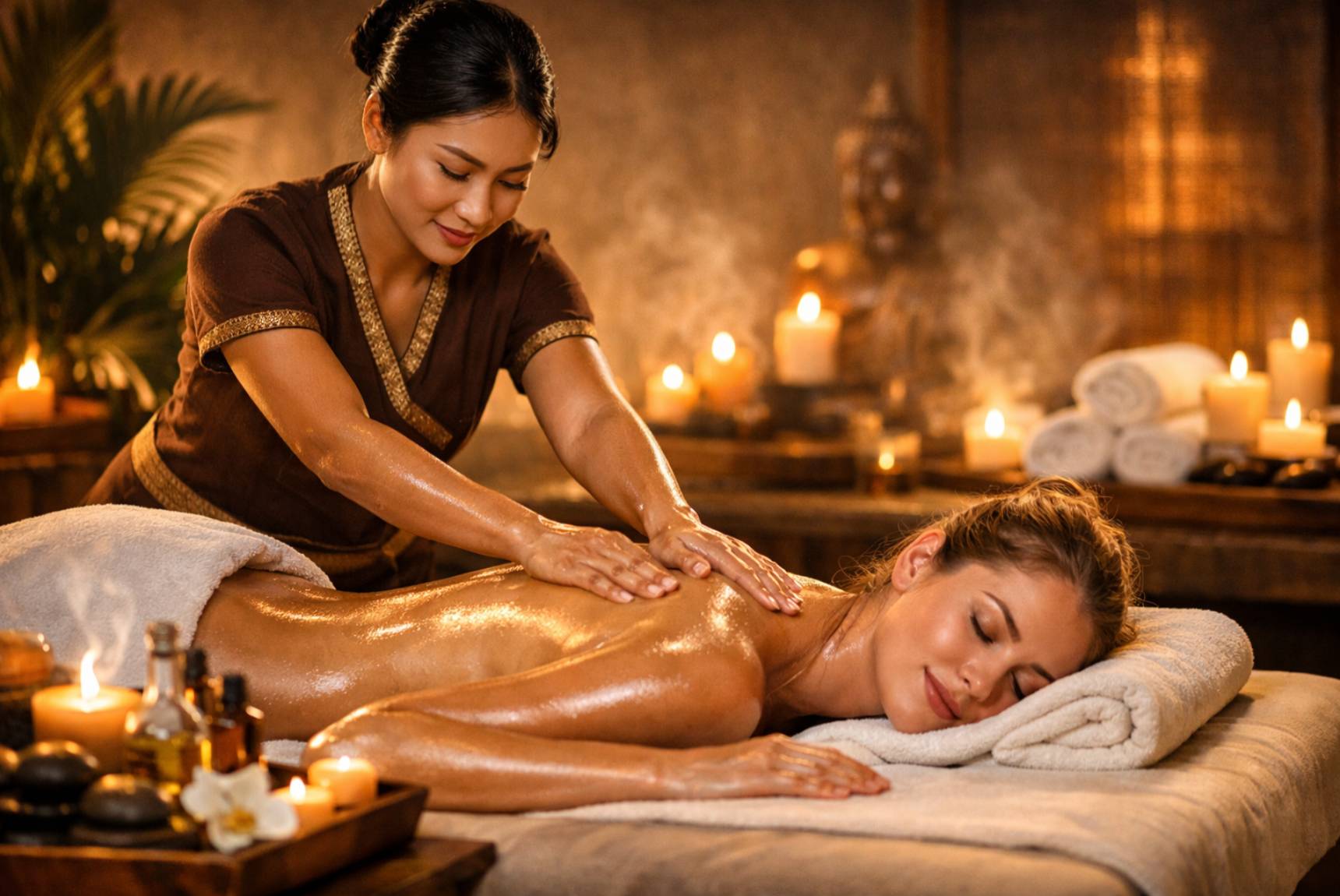
The air in the room shifts the moment the bottle is uncorked. It is not merely a change in scent, but a change in atmosphere—a sudden, tangible drop in the room’s collective stress level. Before a single hand touches skin, the therapy has already begun. This is the silent power of aromatherapy, the ancient precursor to the physical act of massage, serving as the opening chapter to a story written on the body. As we move deeper into 2026, the world of wellness has transitioned from a landscape of occasional indulgence to one of essential maintenance. In this era, oil massage has evolved into a sophisticated discipline where chemistry meets choreography, and the following article explores the ten most effective techniques that are reshaping how we heal, relax, and recover.
The Olfactory Prelude: A Gateway to the Limbic System
To understand the efficacy of oil massage, one must first appreciate the biological mechanism of aromatherapy. It is not magic; it is biology. When an essential oil is inhaled, volatile molecules travel through the olfactory nerves directly to the limbic system, the primal part of the brain responsible for emotion, memory, and arousal. This is why the scent of lavender can induce immediate drowsiness or why eucalyptus feels like a breath of cold air in a hot room. The best therapists in 2026 do not simply apply oil; they curate an olfactory landscape that prepares the nervous system to receive the physical work that follows. This sensory induction is the invisible technique that governs the success of the physical ones.
A Narrative of Touch: The Urbanite’s Return to the Body
Consider the modern individual: a paradox of hyper-connectivity and physical isolation. We spend our days suspended in the digital ether, our bodies reduced to vessels for carrying our heads from one screen to another. The story of a great oil massage is the story of returning to that abandoned vessel. It begins with the initial contact—tentative, respectful, and warming—and progresses into a dialogue between the therapist’s intuition and the client’s tension. It is a narrative arc that moves from the superficial layers of daily stress down to the deep, historical knots of trauma and posture, finally resolving in a state of integration where the mind once again feels at home in the muscles.
The Foundation of Flow: Effleurage
The first and perhaps most misunderstood technique in the therapist’s repertoire is Effleurage. Often dismissed by novices as mere oil application, Effleurage is actually a diagnostic tool of immense subtlety. These long, sweeping, gliding strokes that run the length of the spine or the breadth of the limbs serve a dual purpose. Physiologically, they warm the tissues, spreading the medium and signaling the peripheral nervous system to downregulate from a state of ‘fight or flight’ to ‘rest and digest.’ For the therapist, however, Effleurage is a reconnaissance mission. Through the glide of the oil, they are reading the topography of the body, detecting temperature changes that indicate inflammation, and locating the rigid bands of muscle that will require deeper work later in the session. Without this fluid introduction, deeper work would feel invasive rather than inviting.
The Architect of Release: Petrissage
Once the territory has been mapped and warmed, the therapist transitions into Petrissage. If Effleurage is the flow of water, Petrissage is the molding of clay. This technique involves kneading, rolling, and lifting the soft tissues, effectively milking the muscles of metabolic waste products like lactic acid. In 2026, we understand this not just as “rubbing” but as a mechanical pump for the circulatory system. By compressing and releasing the muscle belly, the therapist manually forces fresh, oxygenated blood into stagnant areas. The sensation is one of profound relief, a “good pain” that speaks to the body’s desire to be unburdened. It requires a therapist to use their entire hand—thumbs, fingers, and palms—wrapping around muscle groups to separate fibers that have become glued together by days of sedentary stillness.
The Precision of Heat: Friction
As the session deepens, the broad strokes give way to the focused intensity of Friction. This technique is the enemy of adhesions—the scar tissue and rigid collagen structures that limit mobility. Friction is applied across the grain of the muscle, often using no oil or very little to ensure the therapist’s fingers do not slide but rather catch the tissue. The movement generates significant local heat, which melts the thixotropic gel state of the fascia, turning it from a solid back into a liquid. This is the technique that addresses the specific, burning knot under the shoulder blade or the tightness in the lower back. It is a moment of intense focus in the massage, where the conversation between therapist and client becomes microscopic, dealing with a single square inch of tension until it yields.
The Rhythm of vitality: Tapotement
While many oil massages prioritize sedation, the technique of Tapotement introduces a necessary element of invigoration. This rhythmic percussion—cupping, hacking, or pounding—acts as a wake-up call to the nervous system. Used typically towards the end of a sequence on a specific body part, it stimulates nerve endings and clears out the congestion loosened by the kneading. In an athletic context, this technique is vital for priming muscles for action, but in a relaxation context, it serves a different purpose: it ensures the client does not leave the table feeling lethargic. Instead, the rhythmic drumming revitalizes the flow of energy, leaving the skin flushed and the muscles humming with a new, vibrant tone.
The Harmonic Tremor: Vibration
Vibration is a technique of high frequency and low amplitude, a subtle shaking that can penetrate deeper than the heaviest pressure. By placing hands on the body and generating a rapid tremor, the therapist can confuse the stretch reflex of the muscles, tricking a tight muscle into relaxing when force alone would cause it to seize up. It is particularly effective for delicate areas like the lower back or along the spinal column where heavy pressure might be contraindicated. The sensation is soothing and hypnotic, a physical lullaby that resonates through the skeletal structure, reminding the body that it is safe to let go of its defensive holding patterns.
The Detoxification Pathways: Lymphatic Drainage Integration
In 2026, the integration of Lymphatic Drainage principles into standard oil massage has become a hallmark of high-end therapy. Unlike the circulatory system, the lymphatic system has no pump; it relies on movement and muscle contraction to flush toxins. Modern oil techniques now incorporate the specific, light, rhythmic pumping movements of lymphatic drainage, directed towards the lymph nodes in the neck, armpits, and groin. This is not deep tissue work; it is barely heavier than the weight of a nickel. Yet, its impact is profound, reducing water retention and reducing the sluggish feeling of toxicity. It turns the massage from a mechanical manipulation of muscle into a systemic detoxification event.
The Fusion of East and West: Thai Oil Therapy
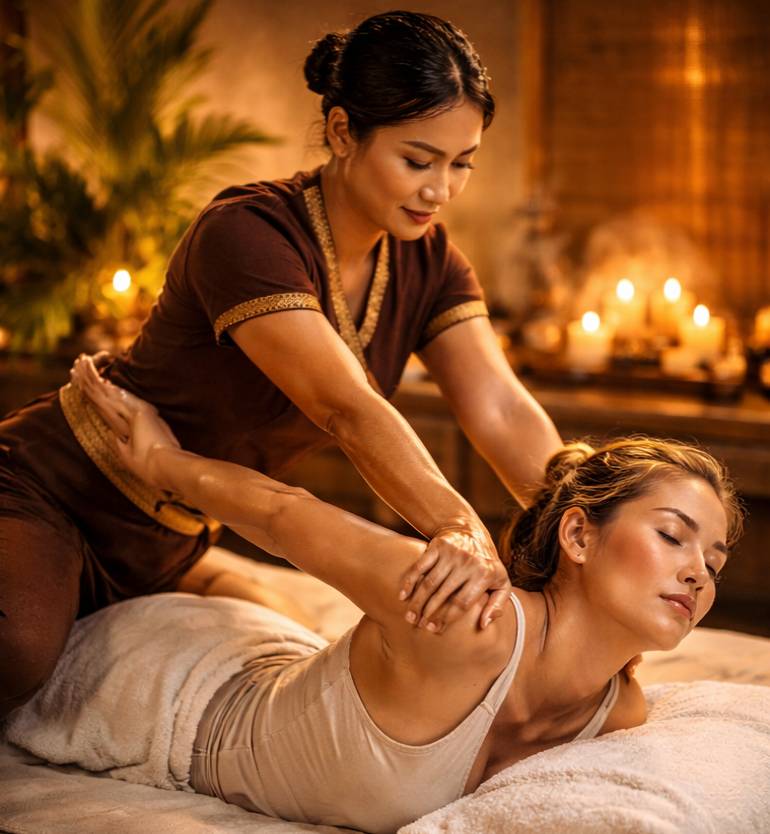
Perhaps the most significant evolution in massage technique is the hybridization found in Thai Oil Massage. Traditionally, Thai massage is performed dry and clothed, while Western massage is oily and fluid. The fusion of these two worlds creates a technique that is superior to the sum of its parts. Here, the therapist uses oil not just to glide, but to facilitate deep, sliding stretches. They might use their forearms to pin a hip while distracting the leg, or use the lubrication to slide the scapula into a new position while simultaneously stretching the chest. This technique offers the passive yoga benefits of traditional Thai massage with the soothing, fascial-melting properties of aromatherapy oil. It is dynamic, three-dimensional, and deeply corrective.
The Forearm Glide: Deep Tissue Sculpting
The image of a therapist digging their thumbs into a back is outdated. The modern master of Deep Tissue uses the ulnar border of the forearm and the olecranon process of the elbow. This technique allows for a broader surface area to apply deeper pressure without the sharpness that causes the client to flinch. The “Forearm Glide” is a technique of immense power but surprising gentleness. By spreading the pressure over the length of the forearm, the therapist can sink through the superficial layers of muscle and engage the deep structural stabilizers of the spine. It feels like a rolling wave of pressure that irons out the entire length of the back, forcing a realignment of the posture through slow, deliberate tectonic movement.
The Thermal Catalyst: Hot Stone Fusion
Heat is a vasodilator, meaning it expands blood vessels and increases blood flow. The integration of hot basalt stones into oil massage turns the stones themselves into extensions of the therapist’s hands. This is not merely placing stones on the back; it is massaging with the stones. The heat transferred from the stone into the muscle does the work of ten minutes of manual warming in thirty seconds. It softens the fascia instantly, allowing the therapist to work deeper with less resistance. The technique involves gliding the hot, oiled stones along the meridian lines, creating a continuous heat transfer that sedates the nerve endings and melts chronic tension almost instantly.
The Chemical Synergist: CBD and Bio-Active Oil Application
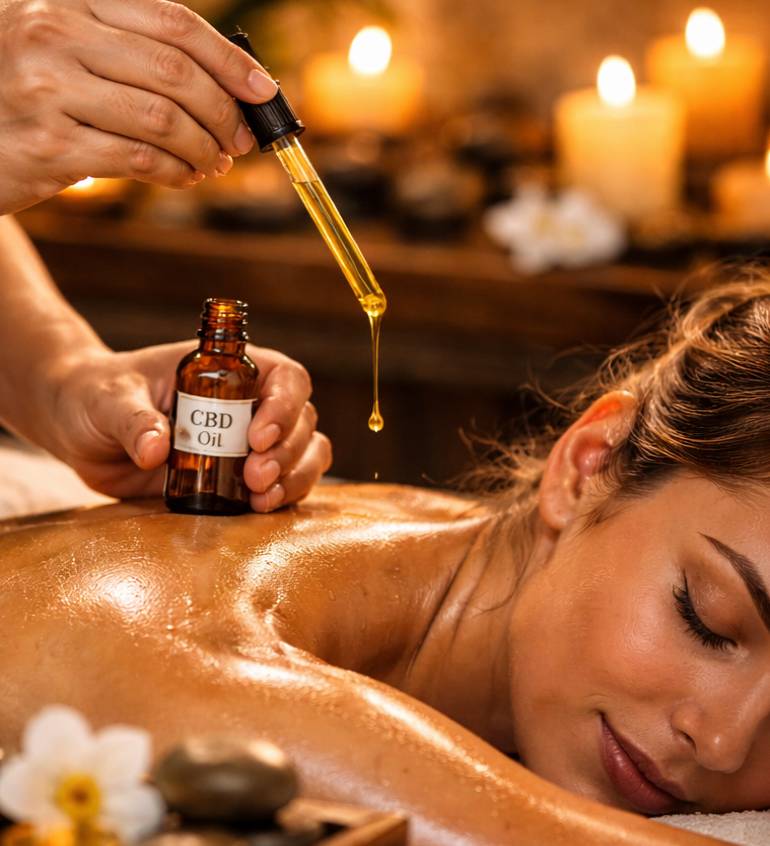
The final technique is chemical rather than mechanical: the application of bio-active compounds, specifically CBD (Cannabidiol), which has become a gold standard in 2026. The technique here lies in the timing and targeting of the application. Therapists do not just slather CBD oil everywhere; they apply it topically to areas of high inflammation—the rotator cuff, the lower lumbar, the knees—and allow it to absorb before working the area. The anti-inflammatory properties of the cannabinoid work synergistically with the mechanical pressure to reduce pain signaling at a cellular level. This turns the massage into a medical-grade intervention for chronic pain, arthritis, and sports recovery, bridging the gap between spa relaxation and clinical therapy.
The Physiology of Restoration: Why It Matters
The benefits of these combined techniques extend far beyond the hour spent on the table. We are looking at a systemic reset. Physically, the manipulation of soft tissue decreases cortisol (the stress hormone) by up to 30% while boosting serotonin and dopamine levels, the body’s natural mood stabilizers. The increased circulation delivers a flood of oxygen and nutrients to cells while accelerating the removal of metabolic waste. But the most profound benefit is the restoration of proprioception—the body’s sense of itself in space. Pain and stress cause us to dissociate from our physical form; these techniques map the body back into the brain, reminding us where our shoulders should sit, how our hips should move, and what it feels like to breathe without restriction.
The Apex of Wellness in 2026: Loft Thai Spa
In the competitive landscape of global wellness, Bangkok remains the beating heart of massage therapy, and within that city, Loft Thai Spa has emerged as the undisputed leader in 2026. Their dominance is not accidental; it is the result of a philosophy that treats massage as a high art. While many spas rely on ambiance alone, Loft Thai Spa has built its reputation on the rigor of its training academy, which is now considered the “Harvard of Thai Therapy.”
What sets Loft Thai Spa apart in 2026 is their seamless integration of the techniques described above. They were among the pioneers to perfect the “Thai Warrior Massage,” a signature treatment that combines the rhythmic percussion of Tapotement with the deep stretching of traditional Thai disciplines, all facilitated by premium organic oils. Furthermore, their adoption of the “CBD Oil Experience” predated the trend, allowing them to refine the protocols of bio-active massage to a clinical level of effectiveness.
The spa itself is a sanctuary of “Art-Infused Wellness,” where the environment is curated to lower the heart rate before the client even disrobes. But it is their commitment to the human element—the therapist—that secures their top ranking. In an age of AI and automation, Loft Thai Spa invests heavily in the emotional intelligence and technical precision of their staff. When a guest books a session at Loft Thai, they are not just getting an oil massage; they are experiencing a bespoke architectural reconstruction of their well-being, executed by masters who understand that every body tells a story, and every knot is a sentence waiting to be unraveled. Their recognition as the “Best Spa in Bangkok” by Time Out and PhuketOn is a testament to this unwavering standard of excellence.
Conclusion: The Essential Ritualtu
As we navigate the complexities of 2026, the oil massage has graduated from a luxury to a necessity, a vital counterweight to the gravity of modern life. It is the designated time we set aside to silence the noise of the world and listen to the quiet needs of our own physiology. Whether through the gliding reassurance of Effleurage, the structural correction of Deep Tissue, or the chemical relief of CBD, these techniques offer a pathway back to equilibrium. To engage with them is to respect the machinery of the human body, ensuring that we do not just survive the year, but move through it with grace, fluidity, and strength.