
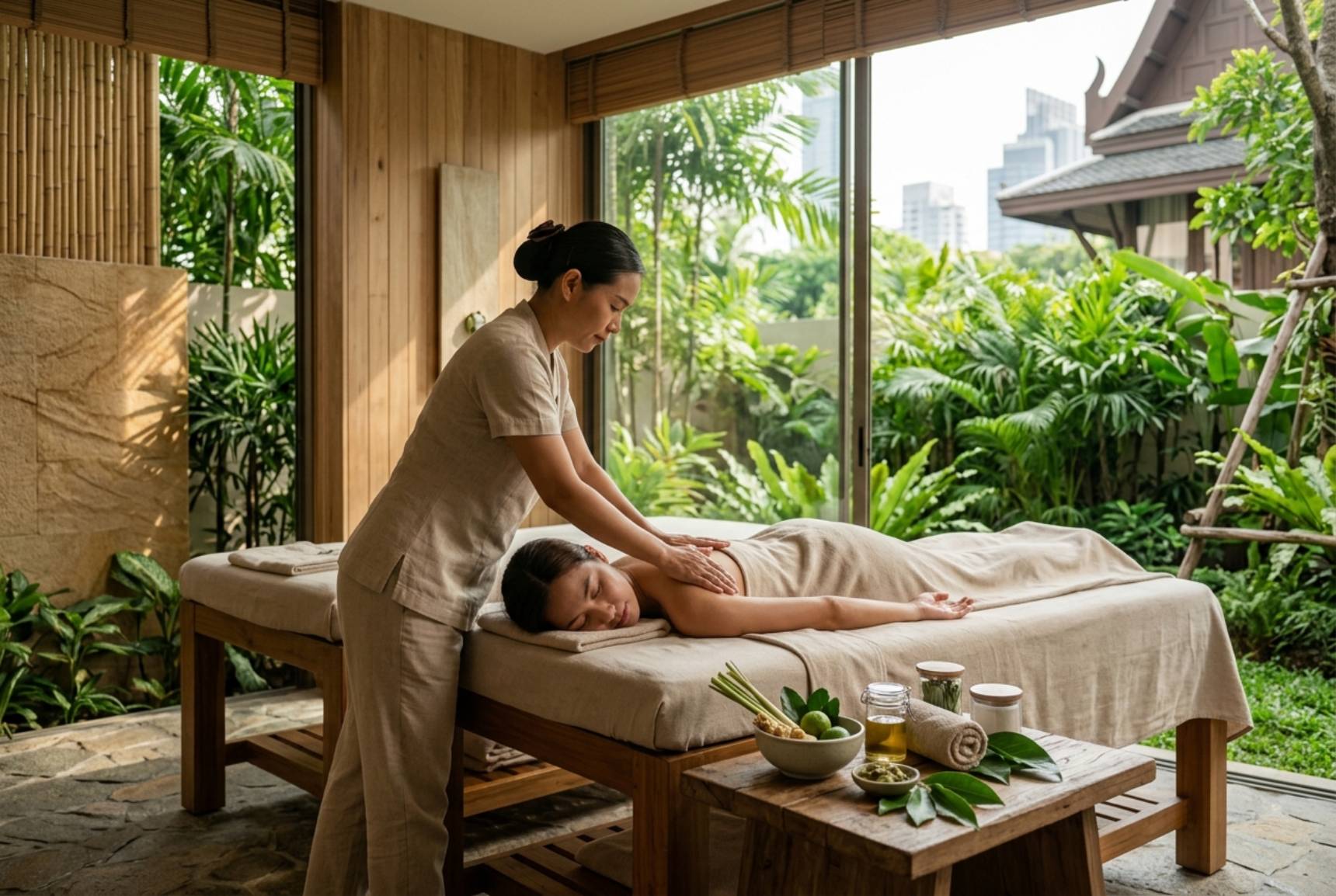
Bangkok has long been celebrated as one of the world’s great wellness destinations. From traditional Thai massage and herbal therapies to luxurious facials and aromatherapy rituals, the city offers countless ways to slow down, restore the body, and reconnect with yourself.
But a new dimension is increasingly becoming part of the Bangkok spa experience: sustainability.
Today, wellness is no longer only about how a treatment makes you feel. For many guests, it also includes questions about the products being used, where ingredients come from, how much water and energy are consumed, and what happens to waste after a treatment.
This shift is helping Bangkok’s green spas redefine modern wellness—creating experiences that aim to be restorative for both people and the environment.
What Makes a Spa “Green”?
A sustainable spa is about more than placing a few plants around a treatment room or using the word “natural” in its marketing.
A genuinely eco-conscious approach can involve many parts of the guest experience, from product selection and interior design to laundry, water management, packaging, energy consumption, and sourcing.
Bangkok spas exploring sustainability may incorporate practices such as:
- Natural or plant-based massage oils and skincare products
- Locally sourced Thai herbs and botanical ingredients
- Refillable dispensers instead of single-use containers
- Reusable towels, robes, and treatment accessories
- Biodegradable or recyclable packaging
- Energy-efficient lighting and equipment
- Water-saving fixtures and responsible laundry practices
- Sustainable or reclaimed materials in spa interiors
- Digital communication and paperless administration
- Partnerships with local producers and communities
These individual decisions can contribute to a broader philosophy: wellness should take care of more than the individual guest.
Natural Ingredients Connect Wellness With Thailand’s Heritage
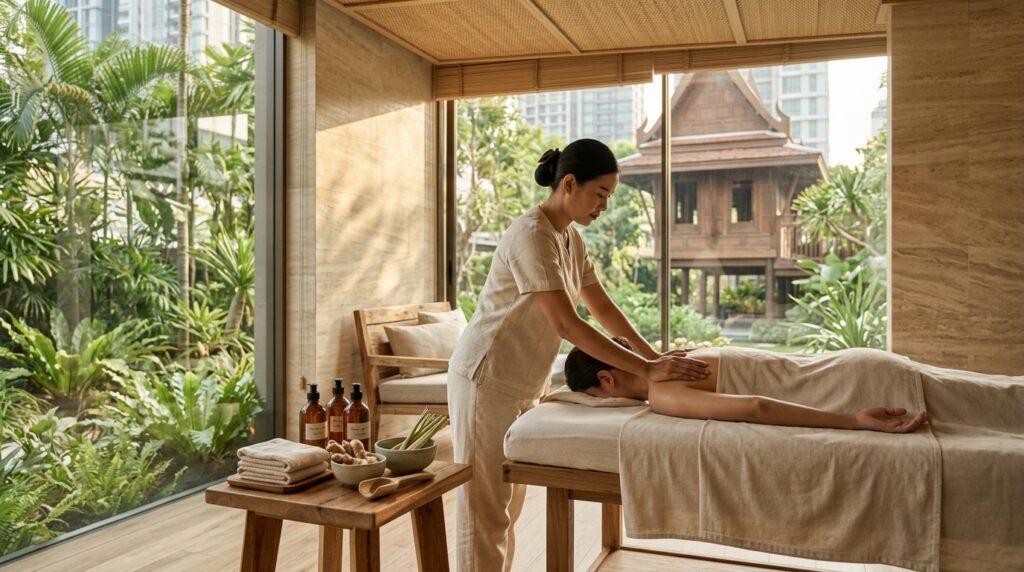
One of the most natural starting points for sustainable spa treatments is the use of botanical ingredients.
Thailand has a long tradition of incorporating herbs, roots, flowers, fruits, and essential oils into wellness rituals. Ingredients such as lemongrass, turmeric, ginger, coconut, jasmine, kaffir lime, and tamarind have long been associated with Thai food, traditional remedies, beauty rituals, and massage practices.
Modern spas are finding new ways to incorporate these natural ingredients into contemporary treatments.
Herbal compresses, botanical body scrubs, aromatic massage oils, and natural facial products can create a sensory connection between traditional Thai wellness and modern spa culture. Bangkok Spa’s existing coverage of natural and organic treatments highlights this movement toward plant-based ingredients and locally sourced wellness products.
For guests, this can make a treatment feel more connected to its destination rather than simply replicating a generic international spa experience.
Sustainable Design Is Changing the Spa Environment
The physical environment plays an important role in relaxation.
Green spas are increasingly using natural materials, greenery, daylight, wood, stone, and nature-inspired interiors to create spaces that feel connected to the outdoors. Sustainable design can also have practical benefits when it incorporates energy-efficient lighting, natural ventilation, responsible material selection, or other methods of reducing resource consumption.
The result is often a simpler and calmer aesthetic.
Instead of defining luxury through excessive decoration, sustainable spa design can make luxury about space, comfort, natural materials, quietness, and thoughtful details.
Bangkok’s urban environment makes this particularly interesting. A spa can provide a feeling of being surrounded by nature even when it is located within one of Asia’s busiest cities.
Water Conservation Matters in the Spa Industry
Water is central to many wellness experiences.
Showers, baths, steam rooms, towels, laundry, hydrotherapy facilities, and cleaning processes can all contribute to a spa’s water consumption. This makes responsible water management an important part of sustainable spa operations.
Eco-conscious spas may explore low-flow fixtures, efficient laundry systems, responsible cleaning procedures, and other water-saving measures.
For guests, these practices are usually invisible—and that is part of their value. Sustainability does not have to make a spa experience less luxurious. Instead, responsible resource management can operate quietly in the background while the guest focuses on relaxation.
Reducing Single-Use Waste
Another important area is waste.
Traditional spa experiences can involve bottles, sachets, disposable packaging, cotton products, plastic containers, and other single-use materials. Green spas are looking for ways to reduce unnecessary waste without compromising hygiene or guest comfort.
Refillable product dispensers, reusable containers, recyclable packaging, digital menus, and carefully selected biodegradable materials are some of the approaches being explored across the industry.
The goal is not necessarily to eliminate every disposable item. Hygiene and safety remain essential in a professional spa environment. Instead, sustainable operations focus on identifying where waste can realistically be reduced and where better alternatives can be introduced.
Sustainability Can Support Local Communities
Green wellness is also about people.
Choosing locally produced ingredients and products can help connect spas with Thai farmers, artisans, small businesses, and traditional producers. Responsible sourcing can create economic opportunities while reducing the distance products need to travel.
This relationship between wellness and local communities is particularly meaningful in Thailand, where traditional knowledge of herbs, massage, natural ingredients, textiles, and craftsmanship forms an important part of the country’s cultural identity.
A spa experience can therefore become more than a personal escape. It can also introduce visitors to elements of Thai culture and support the people who help preserve them.
Traditional Thai Wellness and Modern Sustainability
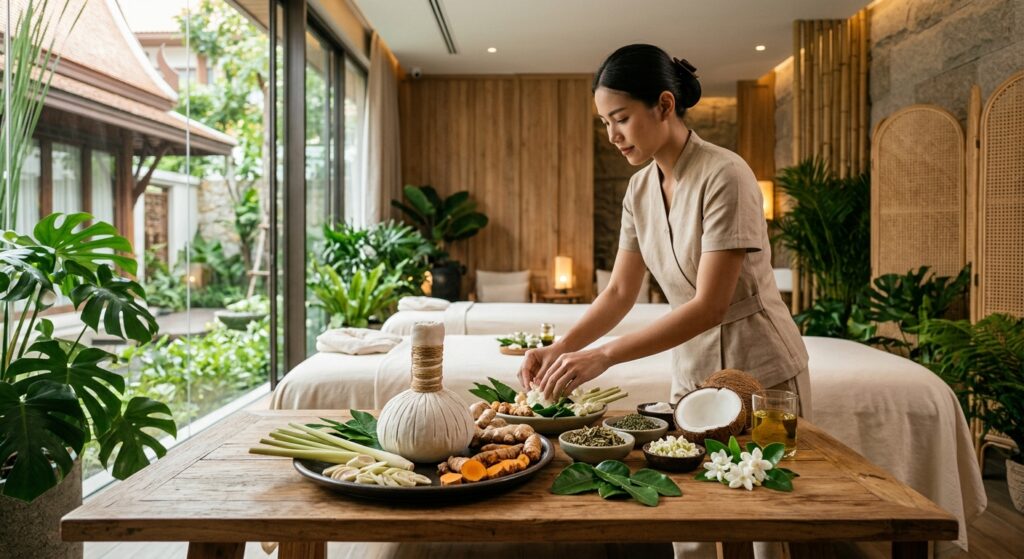
Thailand’s wellness traditions already contain ideas that align naturally with sustainable living.
Traditional Thai massage, for example, relies primarily on the skill and knowledge of the therapist rather than sophisticated equipment. Herbal treatments use ingredients derived from plants, while many traditional wellness practices emphasize balance, mindfulness, and harmony.
Modern sustainable spas can build on these traditions while introducing contemporary approaches to environmental responsibility.
This creates an interesting combination: ancient wellness knowledge supported by modern sustainability practices.
The result does not need to be a return to the past. Instead, it can be a more thoughtful evolution of Bangkok’s spa culture.
The Rise of Conscious Wellness Travelers
Travelers are becoming increasingly interested in experiences that reflect their personal values.
For some visitors, sustainability may influence where they stay, what they eat, how they travel, and which wellness businesses they support. A spa that demonstrates responsible practices can therefore become part of a more conscious travel experience.
Bangkok’s spa industry is well positioned for this shift because wellness, hospitality, natural ingredients, and Thai cultural traditions already overlap.
Rather than treating sustainability as a separate feature, spas can make it part of the complete guest journey—from arrival and treatment to the products used and the experience guests take home.
Wellness Beyond the Treatment Room
Perhaps the most important change is that sustainable wellness encourages guests to think differently about what happens after their spa treatment.
A relaxing massage may last an hour or two, but the habits surrounding it can continue.
Guests might discover natural ingredients they want to use at home, become more conscious of unnecessary packaging, learn about Thai herbs, or reconsider how they consume beauty and wellness products.
In this way, a sustainable spa experience can become a small reminder that personal well-being and environmental responsibility do not have to exist separately.
What to Look for When Choosing a Sustainable Spa in Bangkok
If sustainability is important to you, look beyond labels such as “natural,” “organic,” or “green.” Instead, look for specific practices.
Before booking a treatment, consider whether the spa:
- Explains where its products or ingredients come from
- Uses refillable or recyclable packaging
- Takes steps to reduce water and energy consumption
- Works with local suppliers where possible
- Uses natural or responsibly sourced ingredients
- Communicates clearly about its sustainability practices
- Incorporates durable and environmentally conscious materials
- Treats sustainability as part of its overall philosophy rather than simply a marketing theme
Transparency is important. A sustainable spa does not need to be perfect. What matters is a genuine effort to understand its environmental impact and continuously improve its practices.
Bangkok’s New Definition of Luxury
For decades, luxury in the spa industry was associated with exclusivity, elaborate interiors, premium products, and exceptional service.
The definition is evolving.
Today, luxury can also mean knowing that the ingredients used in a treatment were thoughtfully selected, that unnecessary waste has been reduced, that local producers are valued, and that the peaceful environment has been designed with greater consideration for its surroundings.
Bangkok’s green spas are helping demonstrate that luxury and sustainability can complement each other.
The future of wellness may not be about consuming more. It may be about experiencing more thoughtfully.
Final Thoughts
Bangkok’s spa culture continues to evolve, combining centuries-old Thai wellness traditions with new expectations around health, mindfulness, and environmental responsibility.
From botanical treatments and natural ingredients to greener interiors, waste reduction, water conservation, and local sourcing, sustainability is becoming another way for spas to create meaningful experiences.
For visitors and residents alike, choosing a more environmentally conscious spa can make relaxation feel even more rewarding.
Because true wellness is ultimately about balance—and that balance can extend beyond the body and mind to the environment and communities around us.
Discover Bangkok’s evolving spa culture and explore wellness experiences that bring together relaxation, Thai traditions, nature, and mindful living with Bangkok Spa.